



Put Your Wishes in Writing.
Wills & Trusts for Florence, The Shoals & North Alabama Families.
A will and a trust are both estate-planning tools, but they do different jobs. The right plan depends on what you own, who you want to protect, how property should pass, and whether anyone may need continued management or support after your death.
For many people, a properly prepared will is the foundation of the estate plan. Others may benefit from a trust because of family circumstances, property ownership, privacy concerns, beneficiary needs, or the way they want assets managed over time.
The goal is not to use the most complicated document. It is to choose the tools that fit the family and make sure the will, trust, beneficiary designations, deeds, and other planning documents work together.
The goal is not to use the most complicated document. It is to choose the tools that fit the family and make sure the will, trust, beneficiary designations, deeds, and other planning documents work together.
Different Tools. Different Purposes.
A Trust Does Not Automatically Replace a Will.
Wills and trusts are often discussed as though a person must choose one or the other. In practice, they can work together. A will governs probate property and can nominate an executor and guardians for minor children. A trust can hold and manage property under its own terms, but it only controls assets that are actually transferred to or otherwise governed by the trust.
Core Estate Planning Documents
Understanding What Each Tool Is Designed to Do.
The Foundation
Last Will & Testament
A will can identify beneficiaries, direct how probate property should be distributed, nominate an executor, and address guardianship wishes for minor children.
Under Alabama law, a will must satisfy specific execution requirements. A document that expresses someone's wishes but was not properly executed can create uncertainty or litigation rather than prevent it.
Under Alabama law, a will must satisfy specific execution requirements. A document that expresses someone's wishes but was not properly executed can create uncertainty or litigation rather than prevent it.
Ongoing Management
Revocable Trusts
A revocable trust can hold property during the creator's lifetime and provide instructions for management during incapacity and after death. While the creator has capacity, the trust can generally be amended or revoked according to its terms.
A trust can be useful in the right circumstances, but creating one without properly coordinating ownership and beneficiary arrangements can leave important assets outside the plan.
A trust can be useful in the right circumstances, but creating one without properly coordinating ownership and beneficiary arrangements can leave important assets outside the plan.
For Particular Circumstances
Trusts for Beneficiaries
A trust can provide continued management when an outright inheritance may not be appropriate—for example, because a beneficiary is young, has special circumstances, or the family wants distributions made over time rather than all at once.
The trust terms should reflect the actual purpose instead of using restrictions simply because they sound protective.
The trust terms should reflect the actual purpose instead of using restrictions simply because they sound protective.
The Documents Around Them
Beneficiaries, Deeds & Ownership
A will or trust should not be reviewed in isolation. Life insurance, retirement accounts, payable-on-death arrangements, joint ownership, deeds, and business interests may pass under separate documents or ownership rules.
Those pieces should be coordinated so they do not accidentally undermine the intended estate plan.
Those pieces should be coordinated so they do not accidentally undermine the intended estate plan.
What the Documents Actually Control
The Estate Plan Is Only as Good as the Property It Reaches.
A carefully written will or trust cannot control every asset automatically. Ownership, beneficiary designations, account terms, deeds, and trust funding can determine how property passes. Good planning looks at the documents and the assets together.
Probate Property
Property titled solely in the decedent's name without another transfer arrangement may pass through the probate estate and be governed by the will or Alabama intestacy law.
Beneficiary Designations
Retirement accounts, life insurance, and certain financial accounts may pass directly to named beneficiaries rather than under the will.
Trust-Owned Property
Property properly transferred to a trust is administered according to the trust terms rather than as ordinary probate property.
Real Estate & Business Interests
Deeds, ownership agreements, joint ownership, and business documents can affect how property is transferred and who has authority after a death.
When More Planning May Be Useful
Some Families Need More Than a Simple Will.
01
Minor Children
Parents may want to address guardianship and provide a structured way for inherited property to be managed until children are older.
02
Blended Families
Second marriages, children from prior relationships, and competing inheritance expectations can require careful coordination.
03
Family Property
Homes, land, farms, or other property that families hope to keep together can create ownership and management questions that deserve advance planning.
04
Business Ownership
Closely held businesses may require estate documents to work alongside operating agreements, buy-sell provisions, succession plans, and ownership restrictions.
05
A Beneficiary Needs Ongoing Management
Some beneficiaries may benefit from continued management rather than receiving an inheritance outright at one time.
06
Privacy or Administration Concerns
A family may want to discuss whether a trust could simplify management or reduce the amount of property that must be administered through probate.
A Common Misunderstanding
Signing a Trust Is Not the Same as Funding One.
A trust generally controls property that has been transferred to it or otherwise made subject to its terms. If a trust is created but important assets remain outside it, those assets may still pass through beneficiary designations, joint ownership, a will, or Alabama intestacy law.
That is why trust planning should include a review of deeds, accounts, beneficiary arrangements, and other ownership documents—not just preparation of the trust instrument itself.
That is why trust planning should include a review of deeds, accounts, beneficiary arrangements, and other ownership documents—not just preparation of the trust instrument itself.
A Wills & Trusts Review Can Consider
How the Pieces Fit Together
Who should receive property
Who should serve as executor or trustee
Whether beneficiaries should inherit outright or over time
Which assets pass outside the will
How real estate and business interests are owned
Whether a trust serves a real planning purpose
A Practical Approach
From Planning Goals to Documents That Work Together.
Step 01
Understand the Family & Property
Review the people involved, assets, ownership, existing documents, beneficiary arrangements, and the goals the estate plan needs to accomplish.
Step 02
Choose the Right Structure
Determine whether a will-based plan is sufficient or whether a trust or other planning structure provides a meaningful benefit.
Step 03
Coordinate the Plan
Prepare and execute the documents correctly, then address ownership, beneficiary designations, and other details that affect whether the plan works as intended.
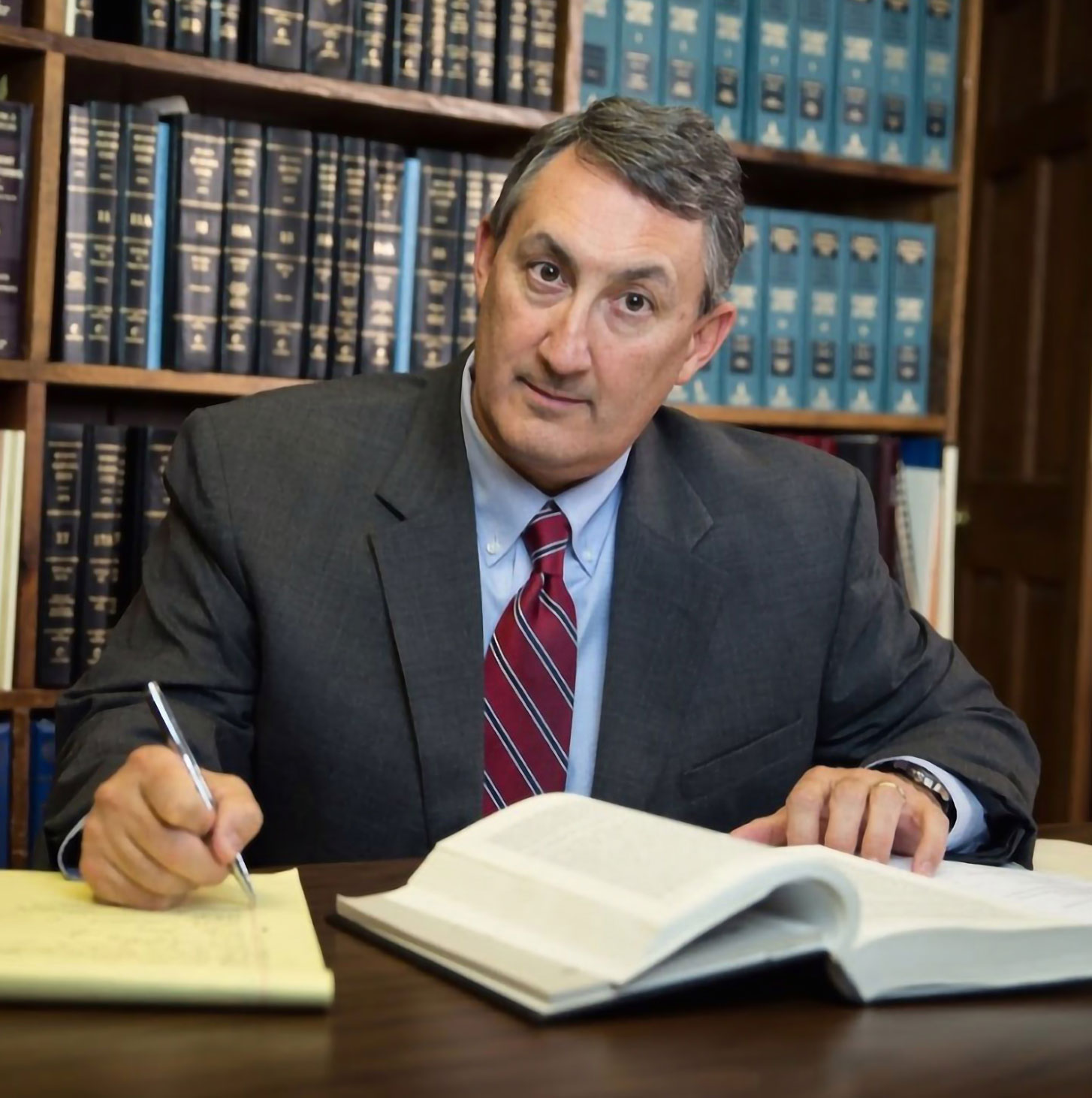
Meet John C. Saylor
Trusted Advice.
Straightforward Conversations.
John C. Saylor is the founder of John C. Saylor, LLC and has been admitted to practice in Alabama since 2015. His practice includes wills, trusts, estate planning, probate, estate administration, probate litigation and will contests, alongside business law and civil litigation.
That broader perspective can matter when an estate plan includes real property, business ownership, complicated family relationships, or questions about how the plan may eventually be administered. His Florence office serves individuals and families across The Shoals and North Alabama with direct, practical legal guidance.
That broader perspective can matter when an estate plan includes real property, business ownership, complicated family relationships, or questions about how the plan may eventually be administered. His Florence office serves individuals and families across The Shoals and North Alabama with direct, practical legal guidance.
✓ Admitted in Alabama since 2015
✓ Estate planning & probate experience
✓ University of Alabama graduate
✓ Florence, Alabama office
Wills & Trusts Questions
Common Questions From North Alabama Families.
Do I need both a will and a trust?
Not necessarily. Some people are well served by a will-based estate plan, while others may benefit from a trust because of property, beneficiary, management, or administration concerns. Even people with a trust commonly still use a will as part of the overall plan.
Can a trust help avoid probate?
Property properly held in a trust generally does not pass through probate in the same way as property owned individually at death. However, simply signing a trust does not move assets into it. Ownership and beneficiary arrangements still have to be coordinated.
What makes a will valid in Alabama?
Alabama law imposes specific requirements for executing a will, including written form, the testator's signature, and witness requirements. Proper execution is important because defects can create problems when the will is later offered for probate.
Can I change my will or revocable trust later?
Generally, a person with legal capacity can change estate-planning documents during life, subject to the document terms and Alabama law. Changes should be made formally rather than by handwritten notes or informal instructions that may create uncertainty.
Does my will control my life insurance or retirement accounts?
Usually not when a valid beneficiary designation controls the account or policy. Those designations should be reviewed along with the will or trust so they support rather than conflict with the overall estate plan.
When should wills and trusts be reviewed?
Marriage, divorce, births, deaths, property changes, business changes, beneficiary changes, or simply the passage of time can all be reasons to review the plan and confirm that the documents still reflect current wishes.
Wills & Trusts · Florence, Alabama
Put the Plan in Writing—and Make Sure the Pieces Work Together.
Talk with John Saylor about wills, trusts, beneficiary planning, real property, and the documents that shape how your estate will be handled. Serving Florence, The Shoals, and families throughout North Alabama.
