



Planning Ahead. Moving Forward.
Estate Planning for Florence, The Shoals & North Alabama Families.
A good estate plan is not simply a stack of documents. It is a coordinated plan for property, decision-making, family responsibilities, and the possibility that illness or incapacity could occur before death.
For many families, the starting point is a will. But a complete plan may also involve powers of attorney, advance healthcare directives, trusts when appropriate, beneficiary designations, deeds, business interests, or other arrangements that affect how property is controlled and transferred.
The goal is to make those pieces work together so your wishes are easier to understand and the people you trust are in a better position to carry them out.
The goal is to make those pieces work together so your wishes are easier to understand and the people you trust are in a better position to carry them out.
More Than a Will
Planning for Life as Well as Death.
Estate planning also addresses what happens if you are alive but unable to manage your own affairs. A durable power of attorney can address financial and legal authority, while advance healthcare planning can document medical wishes and identify the people you want involved in healthcare decisions. A complete plan considers incapacity as carefully as it considers what happens after death.
Core Planning Tools
Documents Should Work Together, Not in Isolation.
Foundational Document
Last Will & Testament
A will can identify beneficiaries, nominate an executor, address guardianship wishes for minor children, and direct how probate property should be distributed.
It is important to understand that a will generally controls property that passes through the probate estate—not every asset a person owns.
It is important to understand that a will generally controls property that passes through the probate estate—not every asset a person owns.
When Appropriate
Trust Planning
Trusts can be useful when a family needs continued management, greater control over timing, planning for particular beneficiaries, or another reason that a simple outright transfer may not fit.
A trust is a planning tool, not an automatic requirement for every estate.
A trust is a planning tool, not an automatic requirement for every estate.
Planning for Incapacity
Durable Power of Attorney
A power of attorney can authorize someone you trust to handle financial, property, business, or legal matters when you need assistance or cannot act for yourself.
The scope and timing of that authority should be deliberately considered rather than treated as boilerplate.
The scope and timing of that authority should be deliberately considered rather than treated as boilerplate.
Healthcare Decisions
Advance Directives
Advance healthcare planning can document treatment preferences and identify the person you want involved in healthcare decision-making if you cannot communicate your wishes.
These documents are a central part of planning for incapacity, not just end-of-life care.
These documents are a central part of planning for incapacity, not just end-of-life care.
Coordinated Planning
A Will Is Only One Part of the Picture.
Some property can pass outside a will because of beneficiary designations, joint ownership, trust terms, deeds, or other ownership arrangements. A useful planning review looks at how assets are actually titled and transferred—not just what the will says.
Beneficiary Designations
Retirement accounts, insurance, and certain financial accounts may pass according to named beneficiaries.
Property Ownership
Real estate and jointly owned property can raise separate transfer and title questions.
Business Interests
Ownership agreements, succession concerns, and business documents may need to coordinate with the estate plan.
Family Circumstances
Minor children, blended families, dependent beneficiaries, and family property can require more deliberate planning.
When to Review Your Plan
Life Changes. Your Estate Plan Should Keep Up.
01
Marriage or Divorce
Changes in marital status can affect beneficiaries, decision-makers, ownership, and planning priorities.
02
Children or Grandchildren
New family members may change guardianship, inheritance, trust, or beneficiary decisions.
03
Major Property Changes
Buying or selling real estate, receiving an inheritance, or acquiring significant assets can alter the plan.
04
Business Changes
Starting, selling, or restructuring a business can create succession and ownership issues that should be coordinated.
05
Health or Incapacity Concerns
Decision-making documents matter most when they are in place before an emergency creates urgency.
06
Simply Too Much Time
An older plan may no longer reflect current assets, relationships, goals, or the people you would choose today.
If There Is No Will
Alabama Law May Decide What You Did Not.
When a person dies without a valid will, Alabama's intestacy laws determine how probate property is distributed. That statutory result may or may not match what the person would have chosen.
Estate planning allows you to make many of those decisions yourself while you still can—and to put responsible people in place to carry them out.
Estate planning allows you to make many of those decisions yourself while you still can—and to put responsible people in place to carry them out.
A Planning Review Can Consider
More Than Asset Distribution
Who should serve as executor
Who should make financial decisions
Who should be involved in healthcare decisions
How beneficiaries should receive property
How real estate and family property are titled
Whether business interests require separate planning
A Practical Approach
From Questions to a Working Estate Plan.
Step 01
Understand the Situation
Review the people, property, existing documents, concerns, and decisions that need to be addressed.
Step 02
Choose the Right Tools
Determine which documents and planning strategies fit the actual goals instead of defaulting to a one-size-fits-all package.
Step 03
Put the Plan in Place
Prepare and execute the documents correctly, then make sure the plan is coordinated and understood.
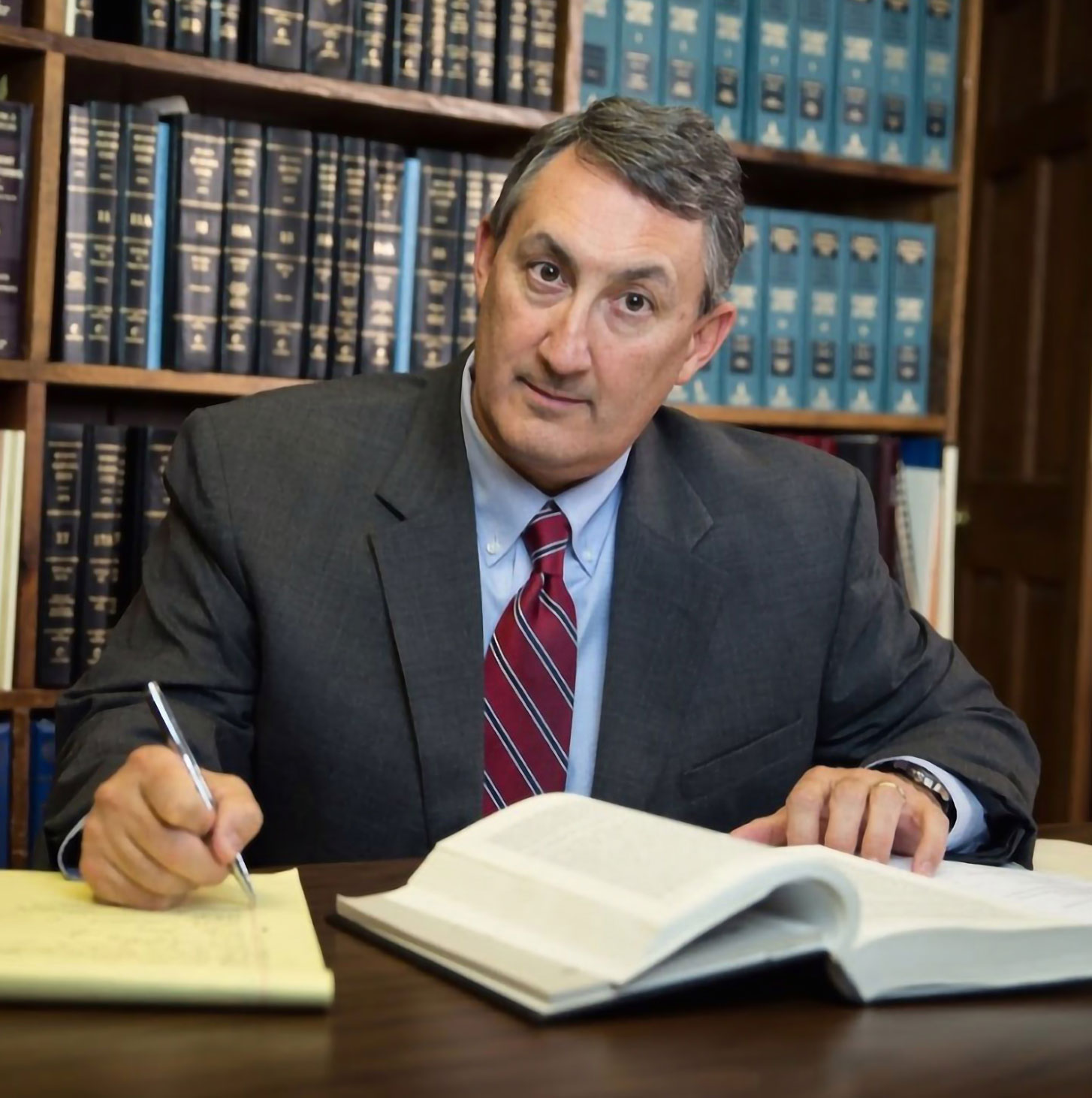
Meet John C. Saylor
Trusted Advice.
Straightforward Conversations.
John C. Saylor is the founder of John C. Saylor, LLC and has been admitted to practice in Alabama since 2015. His practice includes estate planning, wills, healthcare directives, estate administration, probate litigation and will contests, alongside business law and civil litigation.
A lifelong North Alabama resident, John earned his B.A. in Communications from the University of Alabama and his J.D., summa cum laude, from Birmingham School of Law. His Florence office serves individuals, families and businesses across The Shoals and North Alabama with direct, practical legal guidance.
A lifelong North Alabama resident, John earned his B.A. in Communications from the University of Alabama and his J.D., summa cum laude, from Birmingham School of Law. His Florence office serves individuals, families and businesses across The Shoals and North Alabama with direct, practical legal guidance.
✓ Admitted in Alabama since 2015
✓ J.D., summa cum laude
✓ University of Alabama graduate
✓ Florence, Alabama office
Estate Planning Questions
Common Questions From North Alabama Families.
Do I need an estate plan if I am not wealthy?
Estate planning is not limited to large estates. It also addresses who can act for you, who should receive property, who should administer the estate, healthcare decisions, minor children, and other practical family concerns.
Is a will enough?
Sometimes a will is the central document, but a complete plan often also considers powers of attorney, advance directives, beneficiary designations, property ownership, and whether a trust or other planning tool is appropriate.
Do I need a trust?
Not everyone does. Whether a trust makes sense depends on the people involved, the property, the desired level of control, administration needs, and the specific goals of the plan.
When should I update my estate plan?
Major family, health, property, or business changes are good reasons to review a plan. It is also wise to revisit older documents periodically to make sure the people and decisions still reflect your wishes.
What happens if I die without a will in Alabama?
Alabama intestacy law determines how probate property is distributed when there is no valid will. The result depends on the surviving family relationships and may not match what the person would have chosen.
Estate Planning · Florence, Alabama
Make the Decisions While They Are Still Yours to Make.
Talk with John Saylor about estate planning for your family, property, business interests, and future. Serving Florence, The Shoals, and clients throughout North Alabama.
