



After a Loss. Moving Forward.
Probate & Estate Administration for Florence, The Shoals & North Alabama Families.
Settling an estate can involve much more than locating a will and dividing property. The person responsible for the estate may need to work through probate court requirements, identify assets and heirs, address debts and notices, manage property, and complete distributions in the proper order.
John Saylor helps families and personal representatives understand what has to happen next, what may not require probate at all, and where problems can arise before they become larger disputes.
Every estate is different. The right approach depends on the will, how property is owned, beneficiary designations, debts, family relationships, real estate, business interests, and whether anyone contests the administration.
Every estate is different. The right approach depends on the will, how property is owned, beneficiary designations, debts, family relationships, real estate, business interests, and whether anyone contests the administration.
More Than Filing a Will
Probate Is a Process, Not a Single Court Filing.
A will can provide important instructions, but it does not by itself complete the administration of an estate. The personal representative may still need authority from the probate court, may have to gather and safeguard estate property, address required notices and valid obligations, resolve title or ownership questions, and ultimately account for and distribute estate assets.
Core Administration Responsibilities
What Has to Be Worked Through After a Death.
Starting the Estate
Opening Probate & Establishing Authority
The first question is whether a probate estate needs to be opened and, if so, who should serve. A will may nominate an executor; without a will, the probate court may appoint an administrator.
Formal authority matters because banks, title offices, buyers, and other parties may require letters testamentary or letters of administration before dealing with estate property.
Formal authority matters because banks, title offices, buyers, and other parties may require letters testamentary or letters of administration before dealing with estate property.
Identifying What Belongs to the Estate
Assets, Heirs & Beneficiaries
Administration begins with understanding what the decedent owned, how each asset was titled, whether a beneficiary was named, and who may inherit under the will or Alabama law.
That distinction matters because some property may pass outside probate while other property must be administered through the estate.
That distinction matters because some property may pass outside probate while other property must be administered through the estate.
During Administration
Notices, Debts & Estate Obligations
A personal representative may have to provide required notices, evaluate claims, protect estate property, maintain records, and address expenses or taxes that apply to the estate.
Alabama also requires notice to the Alabama Medicaid Agency when a probate or qualifying small-estate proceeding is commenced.
Alabama also requires notice to the Alabama Medicaid Agency when a probate or qualifying small-estate proceeding is commenced.
Completing the Estate
Transfers, Distributions & Closing
Property should not simply be divided because family members agree on what they believe the will means. Estate obligations, ownership issues, court requirements, and the rights of heirs or beneficiaries need to be addressed first.
The goal is a documented administration that can be completed and closed with as little uncertainty as possible.
The goal is a documented administration that can be completed and closed with as little uncertainty as possible.
A Critical First Question
Not Everything a Person Owned Necessarily Goes Through Probate.
The probate estate and the decedent's overall property are not always the same thing. How an asset is titled—and whether it has a valid beneficiary or other transfer arrangement—can determine whether it is administered through probate or passes another way.
Beneficiary-Designated Assets
Life insurance, retirement accounts, and certain financial accounts may pass according to a valid beneficiary designation rather than the will.
Jointly Owned Property
Some jointly owned property may pass to a surviving owner depending on the form of ownership and the underlying documents.
Trust Property
Property properly held in a trust is generally administered according to the trust terms rather than as probate property.
Real Estate & Title Issues
Inherited real property can create separate questions involving title, deeds, multiple heirs, sales, mortgages, or family ownership.
Where Estates Become More Complicated
Probate Can Be Straightforward—or It Can Become a Family and Property Problem.
01
There Is No Will
Alabama intestacy law may determine who inherits probate property and who has priority to seek appointment as administrator.
02
Real Estate Is Involved
Homes, family land, rental property, or other real estate can create title, sale, occupancy, mortgage, and heirship questions.
03
There Are Multiple Heirs
Administration becomes harder when beneficiaries disagree about property, timing, expenses, distributions, or who should be in control.
04
A Business Is Part of the Estate
Ownership interests, operating agreements, succession questions, employees, debts, and ongoing business obligations may need immediate attention.
05
The Estate Becomes Contested
A challenge to a will, a dispute over fiduciary conduct, or a disagreement about ownership can turn administration into litigation.
06
Property and Records Are Unclear
Missing documents, old deeds, incomplete financial records, or uncertainty about ownership can slow the estate and complicate distributions.
With a Will or Without One
The Probate Court Still Needs a Clear Path Forward.
When there is a valid will, the estate is generally administered according to that document and Alabama law. The person named as executor typically seeks authority to act for the estate.
When there is no valid will, the estate is intestate. Alabama law then governs inheritance of probate property, and the probate court appoints an administrator rather than an executor named by the decedent.
When there is no valid will, the estate is intestate. Alabama law then governs inheritance of probate property, and the probate court appoints an administrator rather than an executor named by the decedent.
An Early Probate Review Can Consider
What Needs Attention First
Whether a probate estate should be opened
Whether there is a valid will
Who may serve as personal representative
Which assets are actually probate property
Who the heirs and beneficiaries may be
Whether there are immediate property or dispute concerns
A Practical Approach
From Opening the Estate to Final Distribution.
Step 01
Understand the Estate
Review the will, family relationships, assets, ownership, beneficiary designations, debts, real estate, and any immediate problems.
Step 02
Administer What Must Be Handled
Work through the probate filings, authority, notices, property, claims, records, transfers, and other estate responsibilities that apply.
Step 03
Distribute & Close
Resolve remaining obligations, complete appropriate distributions or transfers, and finish the steps needed to bring the administration to a close.
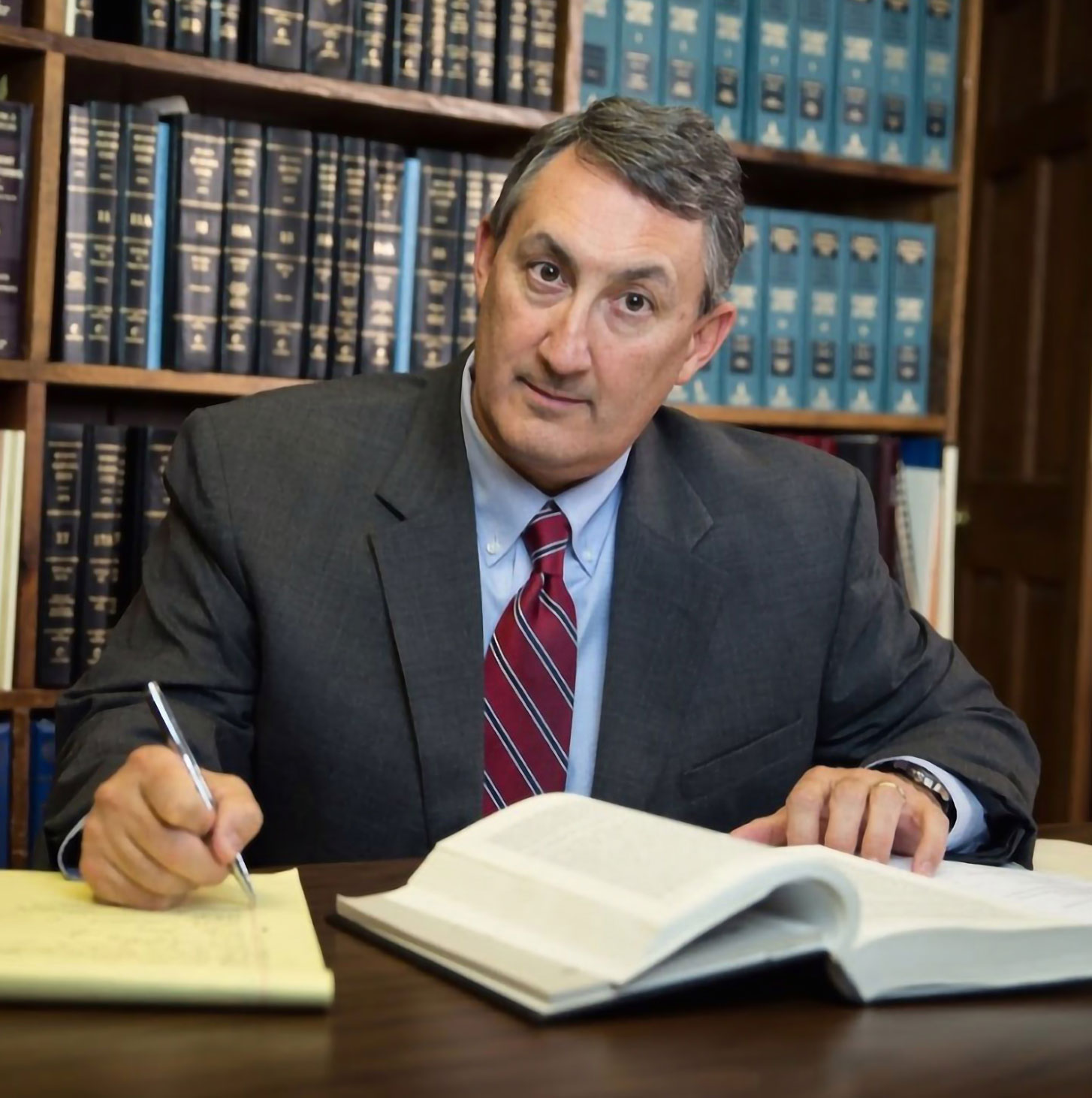
Meet John C. Saylor
Trusted Advice.
Straightforward Conversations.
John C. Saylor is the founder of John C. Saylor, LLC and has been admitted to practice in Alabama since 2015. His practice includes probate, estate administration, estate planning, probate litigation and will contests, alongside business law and civil litigation.
That broader experience can matter when an estate involves real property, a closely held business, disputed ownership, creditor issues, or family disagreements. His Florence office serves families and personal representatives across The Shoals and North Alabama with direct, practical legal guidance.
That broader experience can matter when an estate involves real property, a closely held business, disputed ownership, creditor issues, or family disagreements. His Florence office serves families and personal representatives across The Shoals and North Alabama with direct, practical legal guidance.
✓ Admitted in Alabama since 2015
✓ Probate & estate litigation experience
✓ University of Alabama graduate
✓ Florence, Alabama office
Probate & Estate Administration Questions
Common Questions From North Alabama Families.
Does every estate have to go through probate in Alabama?
No. Whether probate is needed depends on what the person owned, how property was titled, whether valid beneficiaries were named, whether assets were held in trust, and other circumstances. The first step is often determining which assets are actually part of the probate estate.
What is the difference between an executor and an administrator?
An executor is generally the person nominated in a will and appointed by the probate court to administer the estate. An administrator is appointed by the court when there is no qualifying executor, including many estates where there is no valid will. Both act as personal representatives of the estate.
What happens when someone dies without a will in Alabama?
The estate is considered intestate. Alabama law determines who inherits probate property, while the probate court appoints an administrator to handle the estate rather than following the instructions of a will.
How long does probate take in Alabama?
There is no single timeline for every estate. The length of administration can depend on the assets involved, required notices and procedures, creditor issues, real property, tax matters, disputes, and whether the heirs or beneficiaries cooperate.
Can estate property be sold during probate?
Sometimes, but the authority and procedure depend on the property, the will, the status of the estate, and applicable court requirements. Real estate in particular should be reviewed carefully before a sale or transfer is attempted.
What if family members disagree during probate?
Some disagreements can be resolved through communication or negotiated agreements. Others may involve disputed ownership, challenges to a will, concerns about the personal representative, or other issues that require probate litigation.
Probate & Estate Administration · Florence, Alabama
Get Clear About What the Estate Requires Next.
Talk with John Saylor about probate, estate administration, inherited property, and contested estate issues. Serving Florence, The Shoals, and families throughout North Alabama.
